
Emergency Fund: How Much You Should Have and How to Build It
Learn what an emergency fund is, how much you should save, and where to keep it for financial security during unexpected situations.
SmartMoneyTrail
2/3/20262 min read
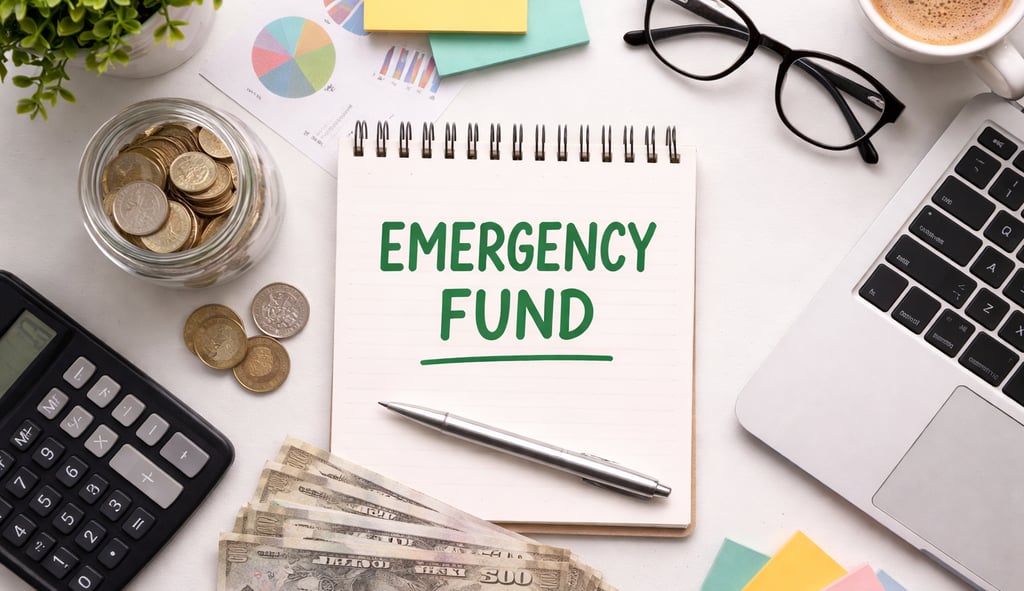
Life is unpredictable. A medical emergency, sudden job loss, or urgent family expense can impact anyone at any stage of life. An emergency fund helps you stay financially secure during such situations without disrupting your long-term plans.
This article explains what an emergency fund is, how much you should have, and how to build one effectively.
What Is an Emergency Fund?
An emergency fund is a dedicated amount of money set aside to cover unexpected and unavoidable expenses, such as:
Medical emergencies
Job loss or income interruption
Emergency travel
Urgent home or vehicle repairs
It is meant only for genuine emergencies, not lifestyle spending.
Why an Emergency Fund Is Essential
An emergency fund allows you to:
Handle financial shocks without debt
Protect investments and long-term savings
Maintain financial stability during uncertain times
Reduce stress and improve financial confidence
It acts as a financial buffer when income or expenses become unpredictable.
How Much Emergency Fund Should You Have?
A commonly followed rule is to save 3 to 6 months of essential expenses.
Example:
If your monthly essential expenses are ₹25,000:
3 months = ₹75,000
6 months = ₹1,50,000
General guidance:
Stable income → 3 months of expenses
Variable income or dependents → 6 months or more
The exact amount depends on income stability, lifestyle, and responsibilities.
Where to Keep Your Emergency Fund
Your emergency fund should be safe, liquid, and easily accessible.
Recommended options:
Savings bank account
High-interest savings account
Liquid mutual funds
Short-term fixed deposits
Avoid placing emergency funds in:
Equity investments
Long-term locked instruments
High-risk assets
Liquidity and safety matter more than returns.
How to Build an Emergency Fund
Identify your essential monthly expenses
Set a clear target amount
Save a fixed portion of income regularly
Automate transfers where possible
Replenish the fund after using it
Building an emergency fund is a gradual process, but consistency is key.
Common Mistakes to Avoid
Using emergency funds for non-emergency expenses
Investing emergency money for higher returns
Keeping all emergency funds in one place
Ignoring inflation and lifestyle changes
Review your emergency fund periodically and adjust when needed.
What to Do After Your Emergency Fund Is Ready
Once your emergency fund is in place, you can focus on:
Long-term investments
Retirement planning
Goal-based financial planning
Wealth creation strategies
An emergency fund is the foundation, not the destination.
Final Thoughts
An emergency fund provides financial stability and peace of mind.
Regardless of income level or life stage, having one is a crucial part of a healthy financial plan.
Disclaimer:
This content is for informational purposes only and does not constitute financial advice. Always evaluate your personal financial situation or consult a qualified advisor before making decisions.
Stay
Get tips and updates straight to your inbox
Subscribe
© 2026. All rights reserved.